CIS Mission
From the Iron Curtain to an Open Door
“The harvest is plentiful, but the workers are few…”— Luke 10:2
After communism was established across Russia and the former Soviet Union in 1917, churches were closed and Bibles were banned. People were bound by ideology and systems, losing the light of truth, and emptiness and fear took root in their hearts. Yet God still loved this land. Through His servant, Missionary Dr. Samuel Lee, the Holy Spirit gave a prayer topic in 1985 — that the Iron Curtain would be lifted and the gospel would be proclaimed. UBF coworkers around the world prayed fervently with one heart in the Holy Spirit, and God heard those prayers.
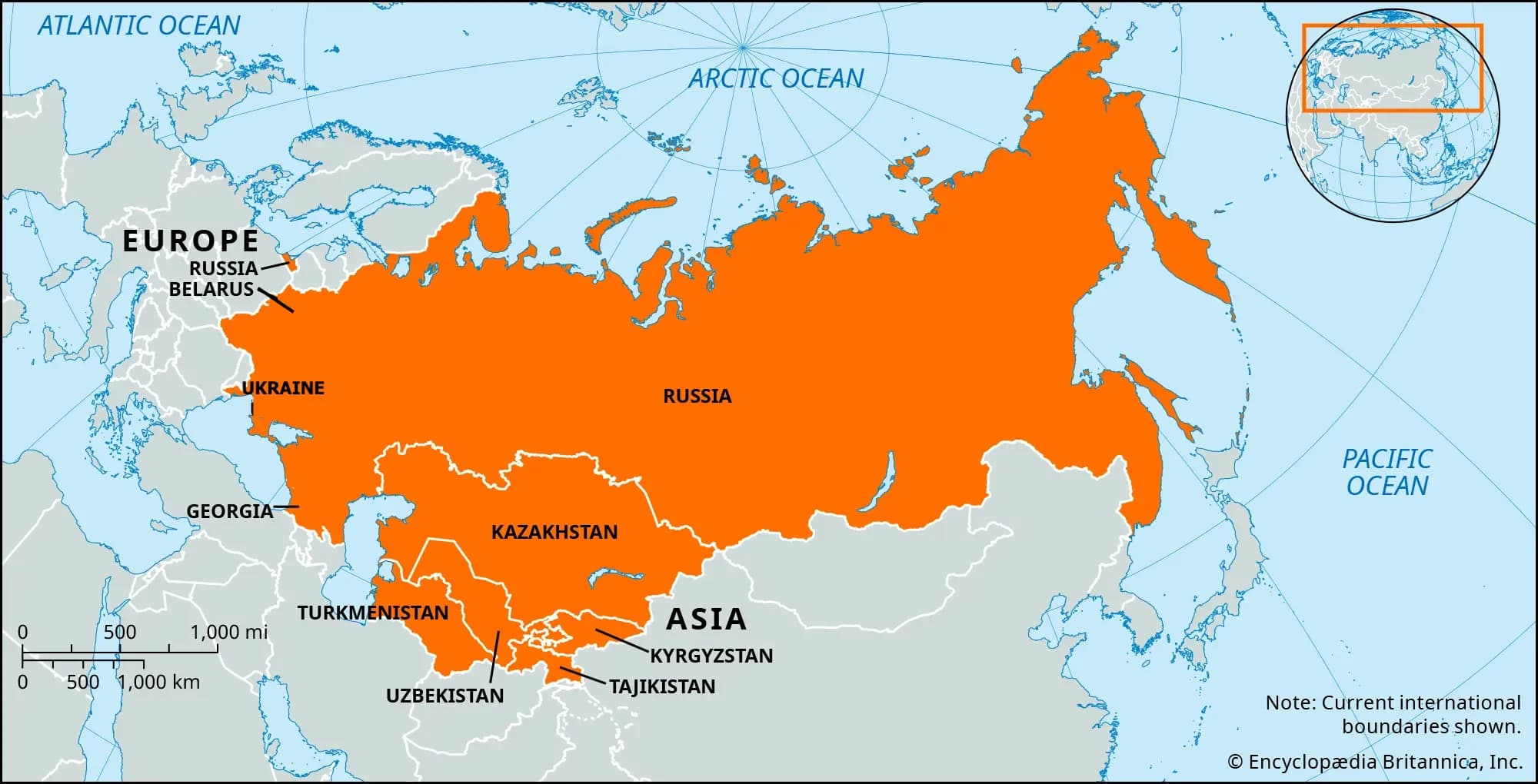
Now, new gospel workers are needed across Russia, Belarus, Ukraine, Central Asia, the Baltic states, the Caucasus, and Türkiye. As more workers of the Lord are raised in these lands, more souls will come out of darkness and enter the kingdom of light. We ask for your prayers and participation so that the nations of the CIS may once again become the 'royal priesthood, holy nation' that God has chosen.
Four Eras of CIS Mission
In 1985, under the direction of Missionary Samuel Lee, the decision was made to pioneer the Soviet Union. UBF coworkers worldwide began to pray so that the first Summer Bible Conference could be held in Russia five years later. In 1987, Dr. Samuel Lee and Missionary Grace Lee visited Russia and built an altar of prayer.
God heard our prayers, and in 1991 He opened the Iron Curtain. Many missionaries began to be sent out. UBF chapters were established in Moscow and St. Petersburg. In 1991, the historic first CIS Summer Bible Conference was held in St. Petersburg with 158 attendees, including 102 Russians. In 1991, 32 missionaries were serving in the Soviet region.
The entire former Soviet region began to expand actively. Chapters were established across various regions of Russia, Ukraine, Belarus, and throughout Central Asia. Local disciples were raised and ordained as shepherds. The 2005 CIS Summer Bible Conference achieved a great milestone with 511 attendees. And house churches grew throughout the region.
In several chapters including Moscow, Almaty, Odessa, and Istanbul, local shepherds are now leading the chapters, and CIS chapters have begun sending missionaries to other regions. The missionary kids (MKs) who grew up here have matured with spiritual leadership and are coworking well in each chapter. In March 2026, 32 young MKs took the lead in successfully holding an MK conference. They will lead the CIS mission history together with local shepherds going forward.
Key Milestones
The Gospel is being shared across 9 CIS countries. Click on a country card to see detailed chapter information.
“The harvest is plentiful, but the workers are few…”
— Luke 10:2
Russia
The heart of a continent with a thousand years of history
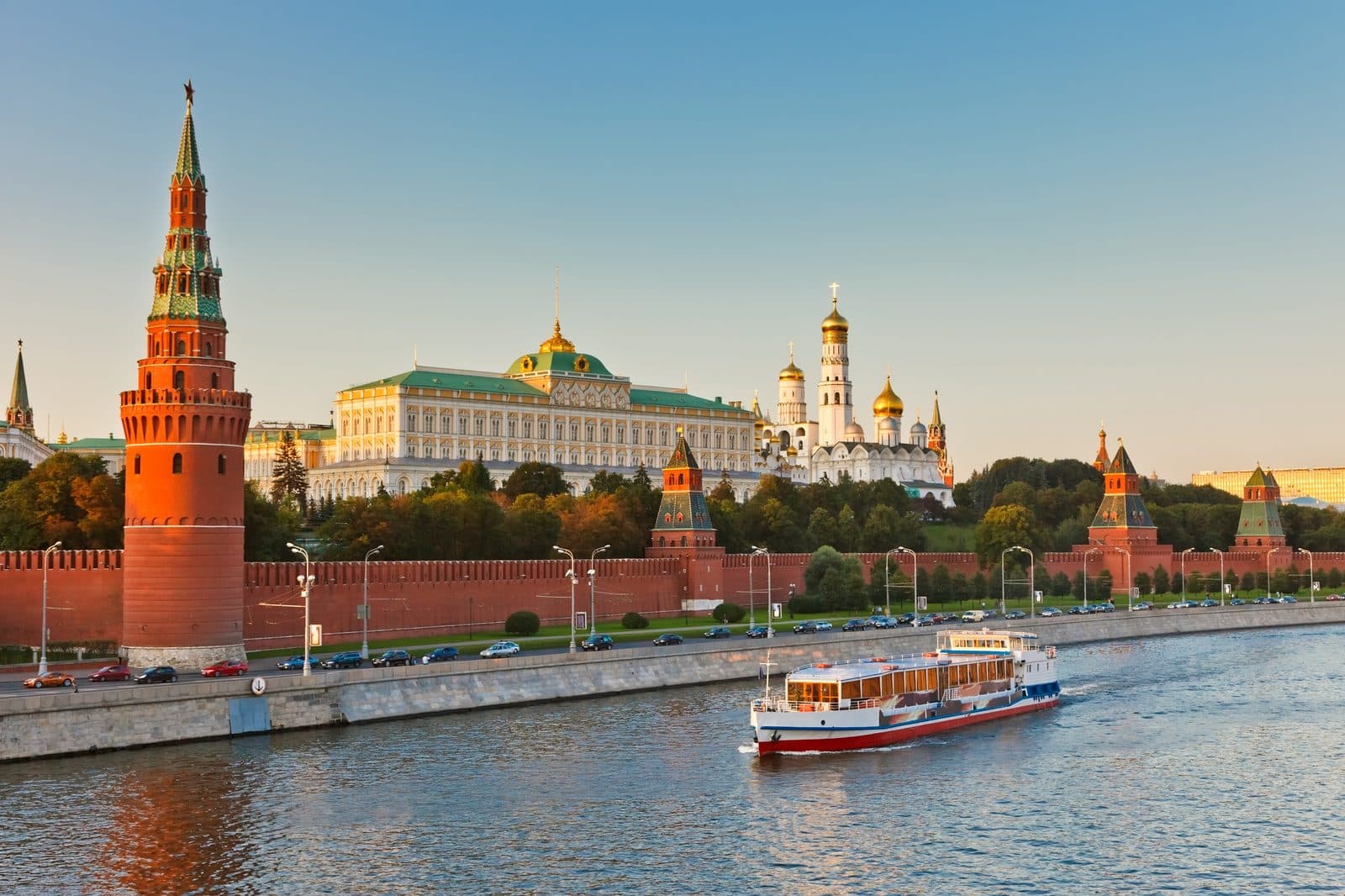
Moscow Kremlin panorama from the river
Russia traces its origins to the Kievan Rus founded by East Slavic tribes in the 9th century. After enduring Mongol rule from the 13th to 15th centuries, the Grand Duchy of Moscow rose to power and grew into the Russian Empire under Peter the Great in the 18th century. The 1917 Revolution toppled the tsarist regime and gave birth to the Soviet Union, which dissolved in 1991 to become the Russian Federation we know today.
The Trans-Siberian Railway stretches 9,289 km from Vladivostok to Moscow, crossing 8 time zones and traversing Russia’s vast forests, steppes, mountains, and rivers — a testament to the country’s immense territory.
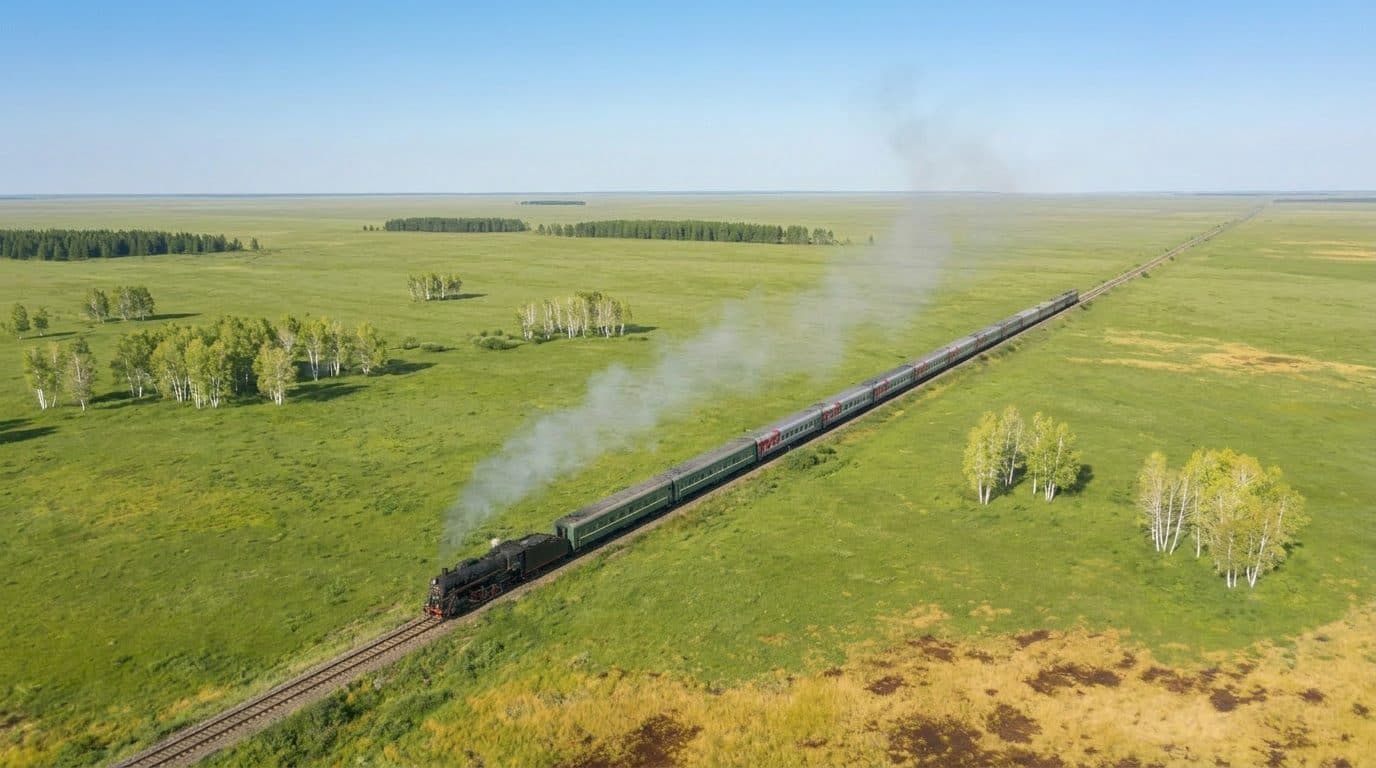
Trans-Siberian Railway — 9,289km, 8 time zones
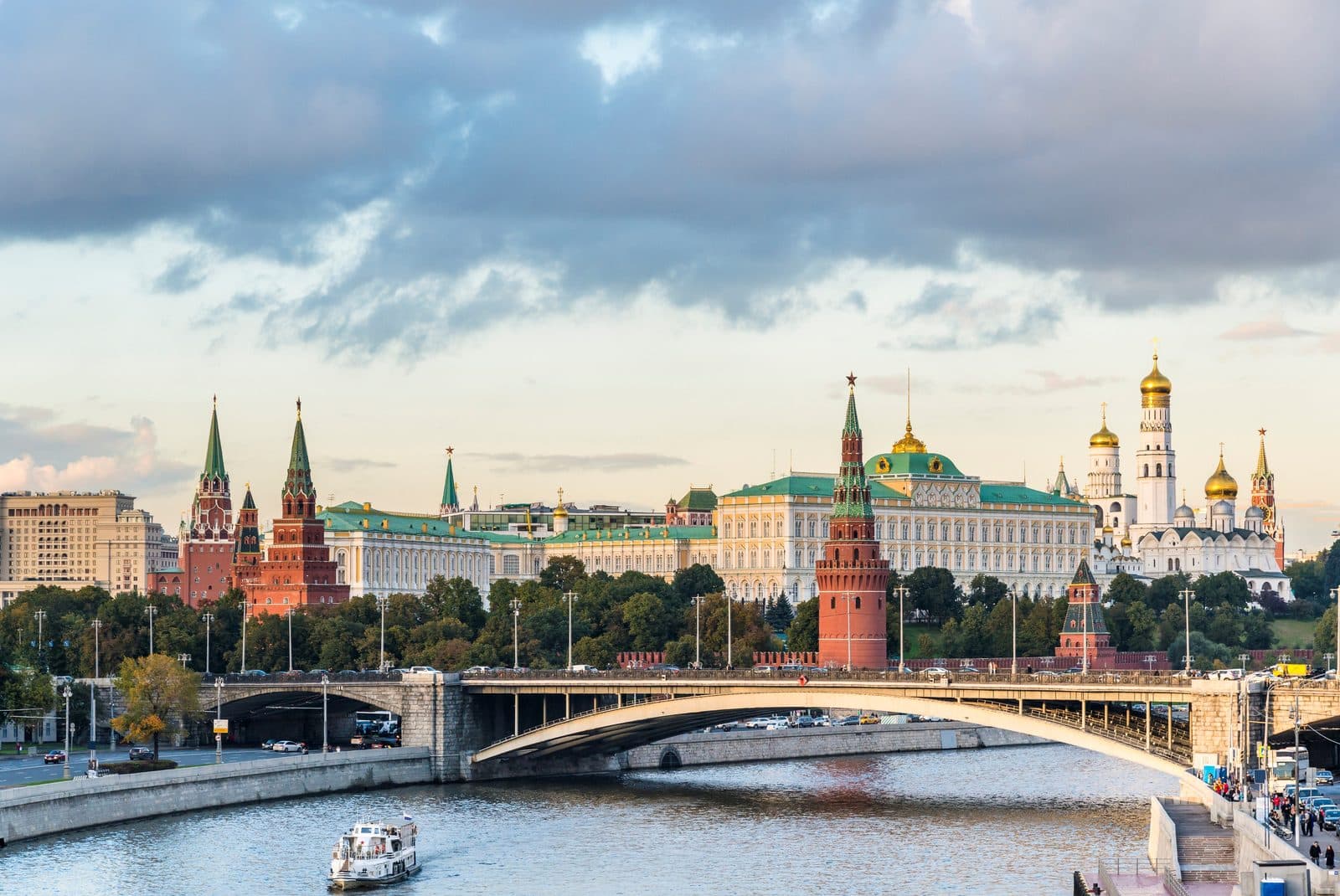
Moscow
The heart of Russia, Moscow is a mega-capital of over 10 million people along the Moscow River. Home to the Kremlin and Red Square, it is the political, economic, and cultural center, the birthplace of communism that shook 20th-century modern history, and remains today a megacity where the soul and identity of the Russian people are most deeply embedded — the largest megacity in Eastern Europe.
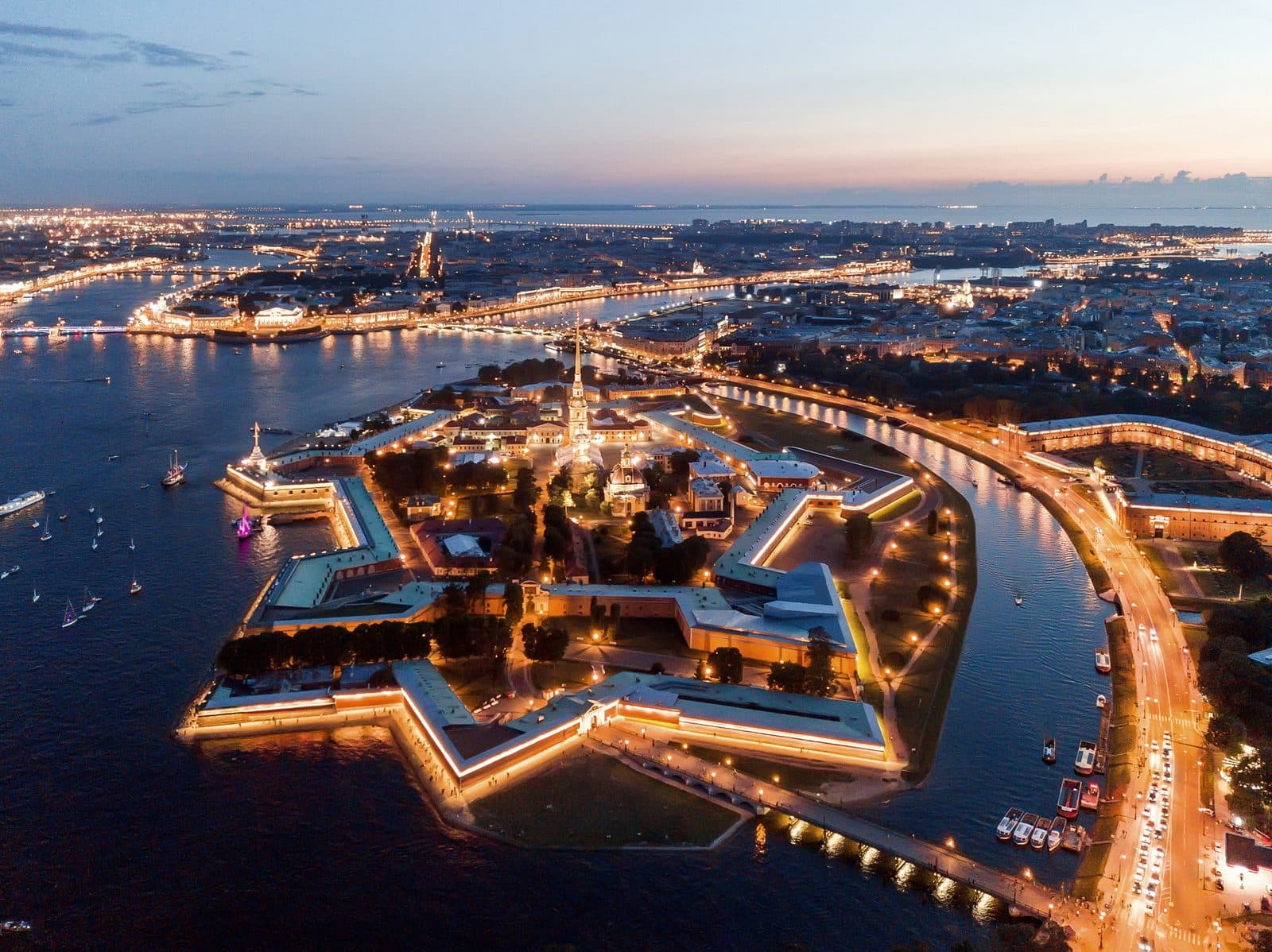
St. Petersburg
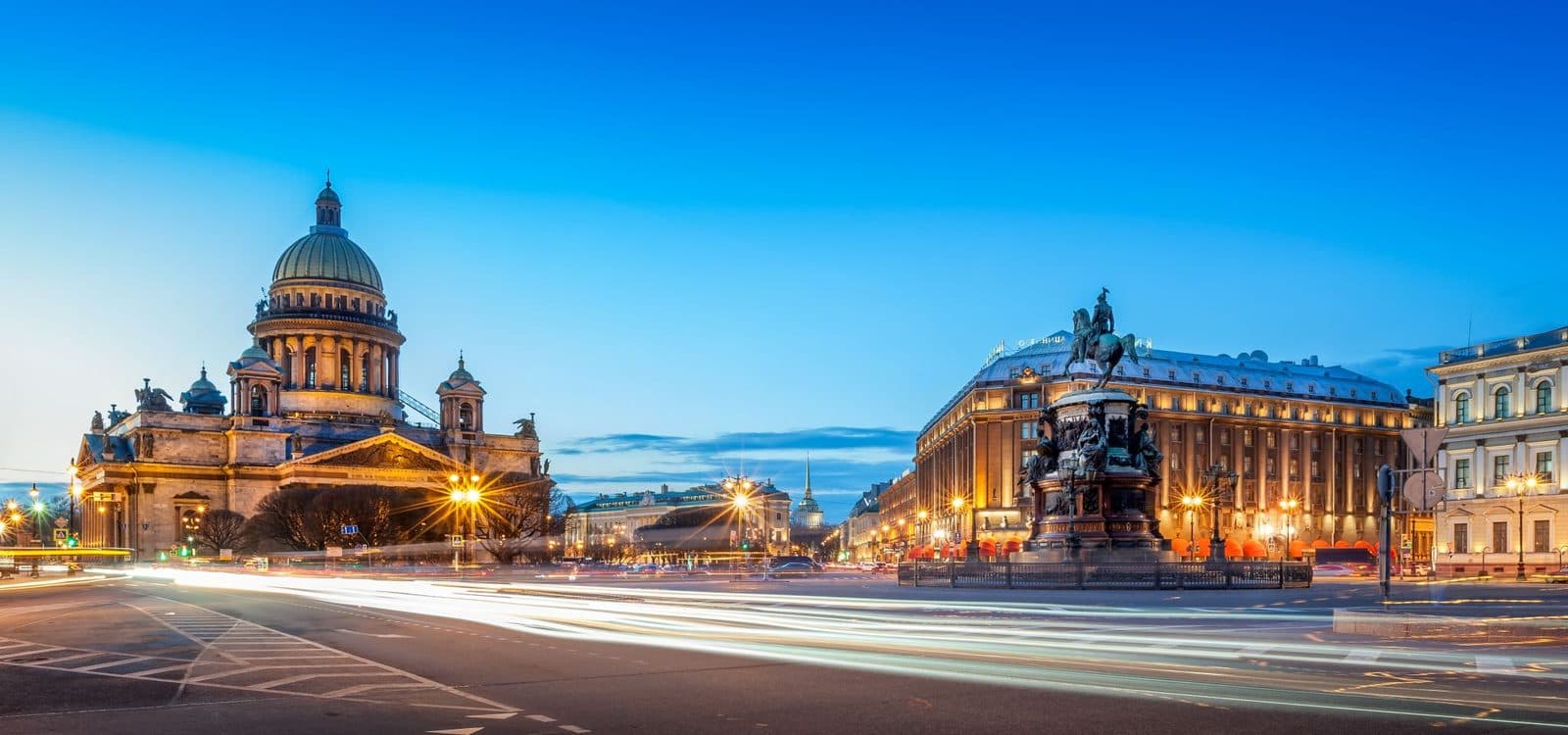
Located at the mouth of the Neva River, St. Petersburg is Russia's second-largest city with about 5 million people. As the former imperial capital, it is known as the "Cultural Capital of Russia" and "the window to Europe," with its palaces, canals, and world-class art institutions. Known to us as Leningrad, it is the city where the world's first communist revolution took place.
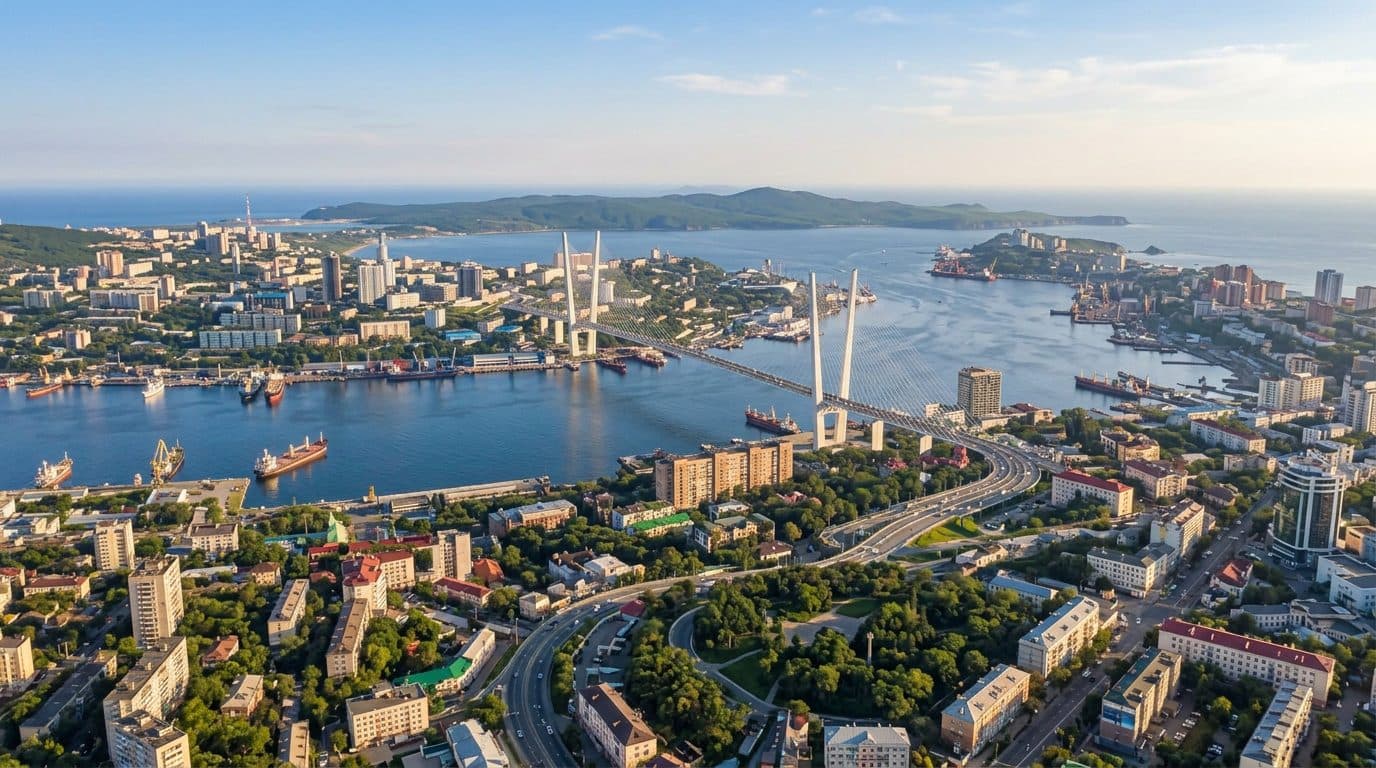
Vladivostok
Meaning "Ruler of the East," Vladivostok is the eastern gateway of Eurasia, situated on the endless shores of the East Sea. It is the starting point of the Trans-Siberian Railway and a key port city in Russia's New Eastern Policy.
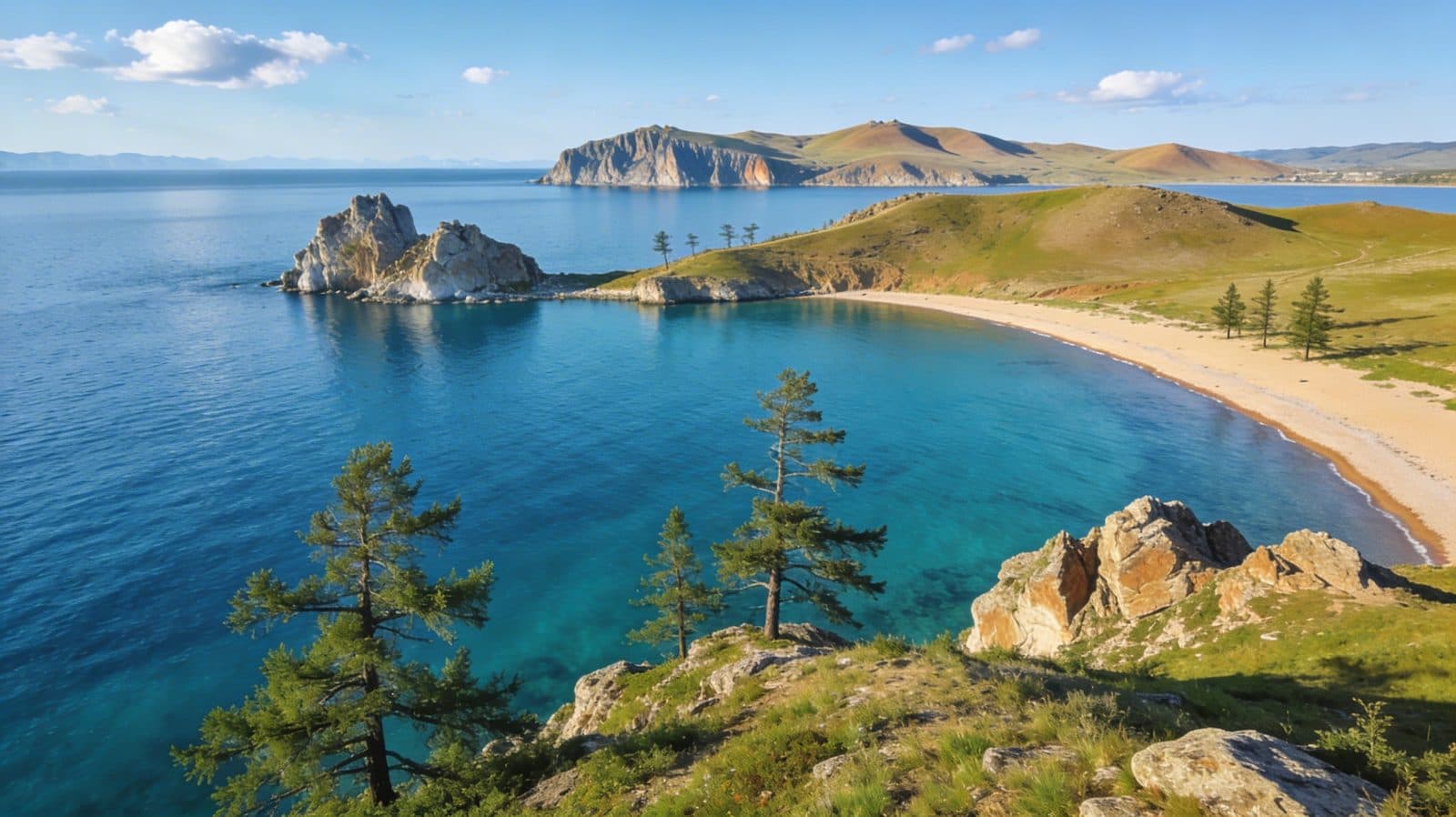
Irkutsk
Famous for Lake Baikal, Irkutsk is a city where the history of Siberia has accumulated layer by layer along the Angara River — an elegant city where wooden buildings and European architecture harmonize, once called the "Paris of Siberia." The Baikal region is a cultural crossroads of East and West, with ties to the origins of the Korean people.
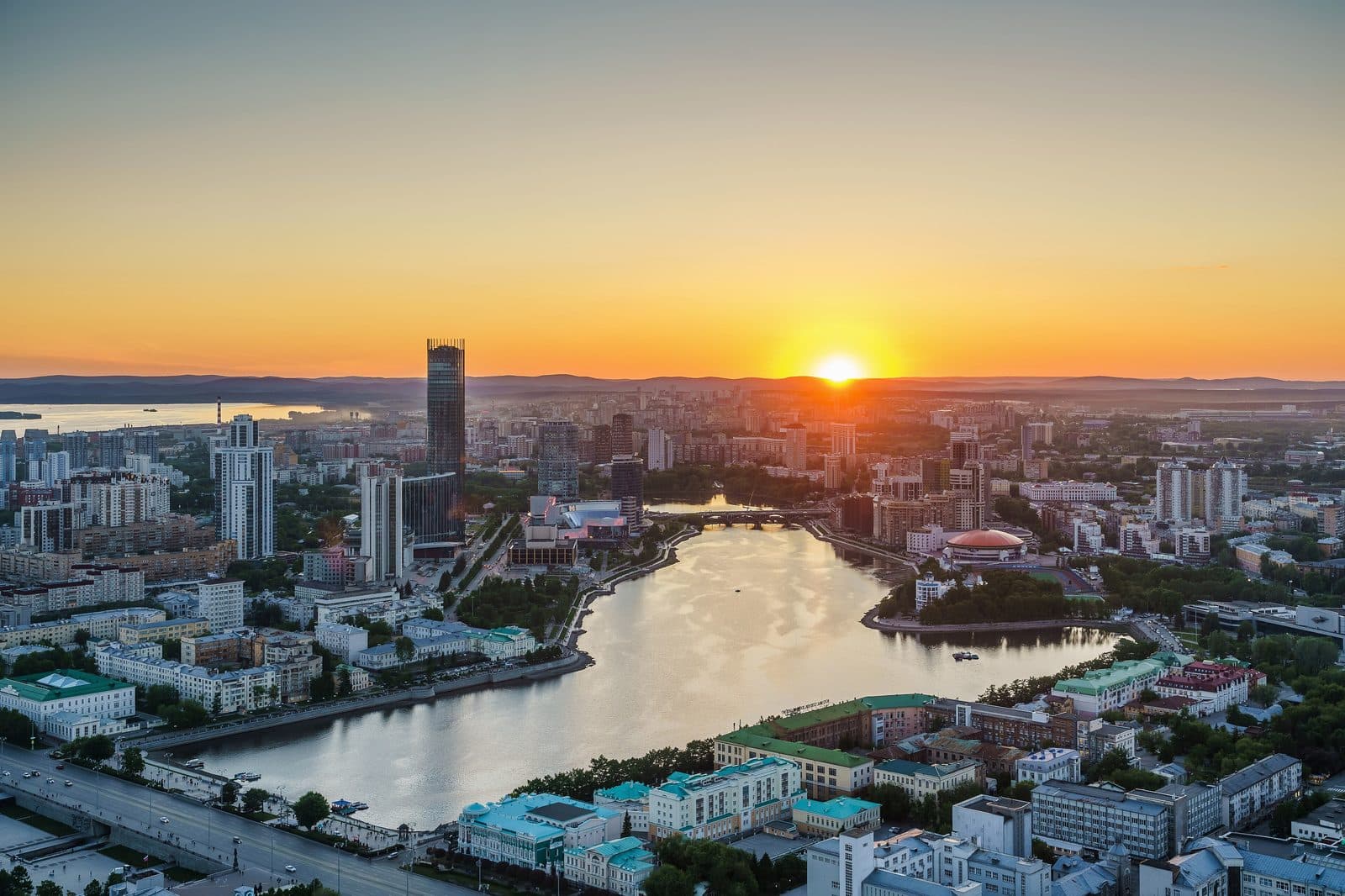
Yekaterinburg
© A.Savin, FAL
A major city of over 1.5 million built on the banks of the Iset River in the central Urals, Yekaterinburg is a quintessential "factory-city" that Peter the Great built in the early 18th century to turn the Ural region into the empire's production base for iron, copper, and weapons. Today it stands on the border of Europe and Asia as the capital of the Urals and a hub for industry, transportation, and culture where railways and roads to Siberia converge.
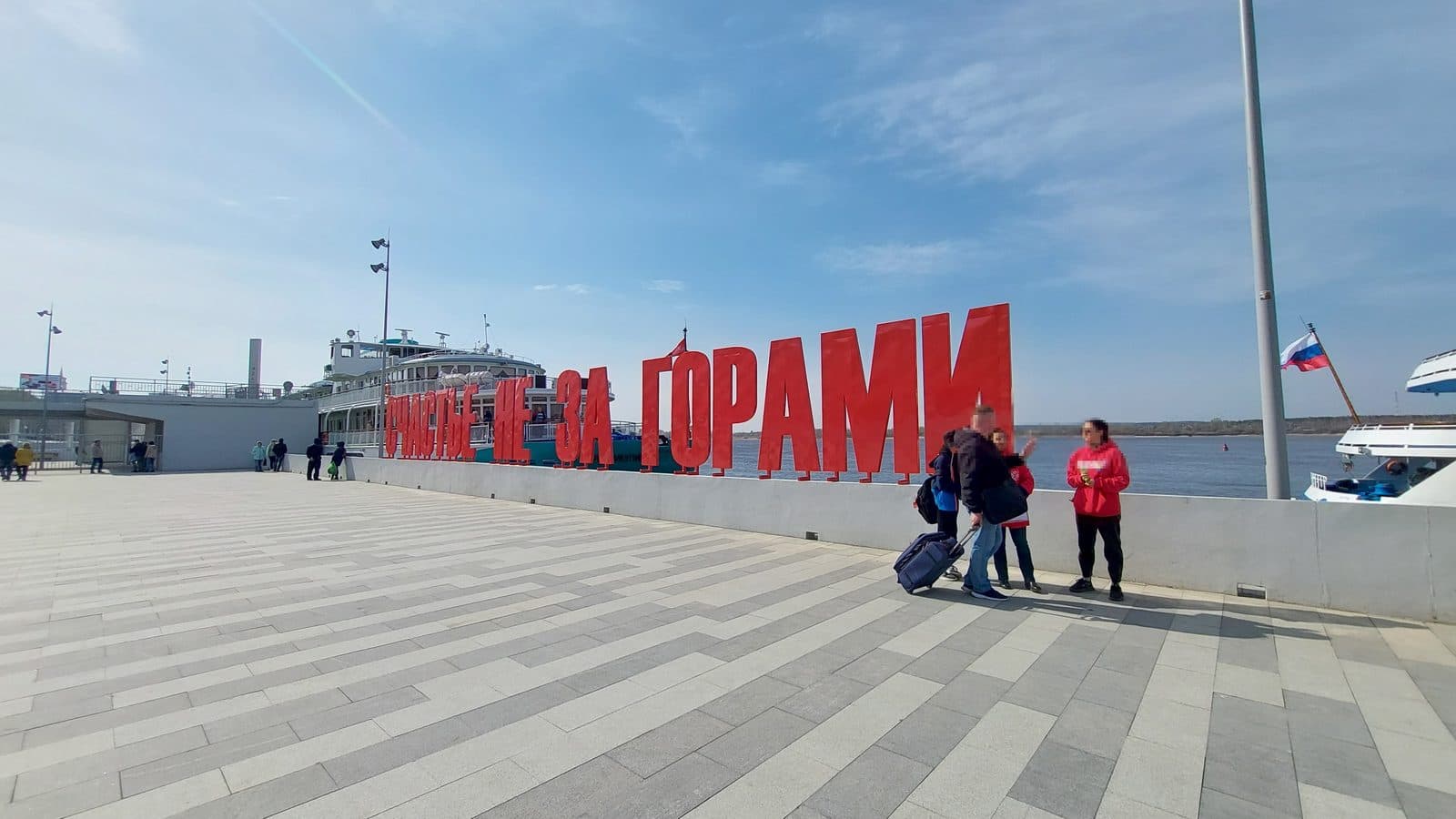
Perm
An industrial and cultural city of just over 1 million on the Kama River west of the Urals, Perm was born as a "factory-city" in the early 18th century alongside copper smelters established under Peter the Great's decree to develop the Ural mineral resources directly for the state. Through the Kama-Volga waterway network, it has served as the western gateway connecting European Russia to Siberia and is a key hub of the Ural industrial belt.
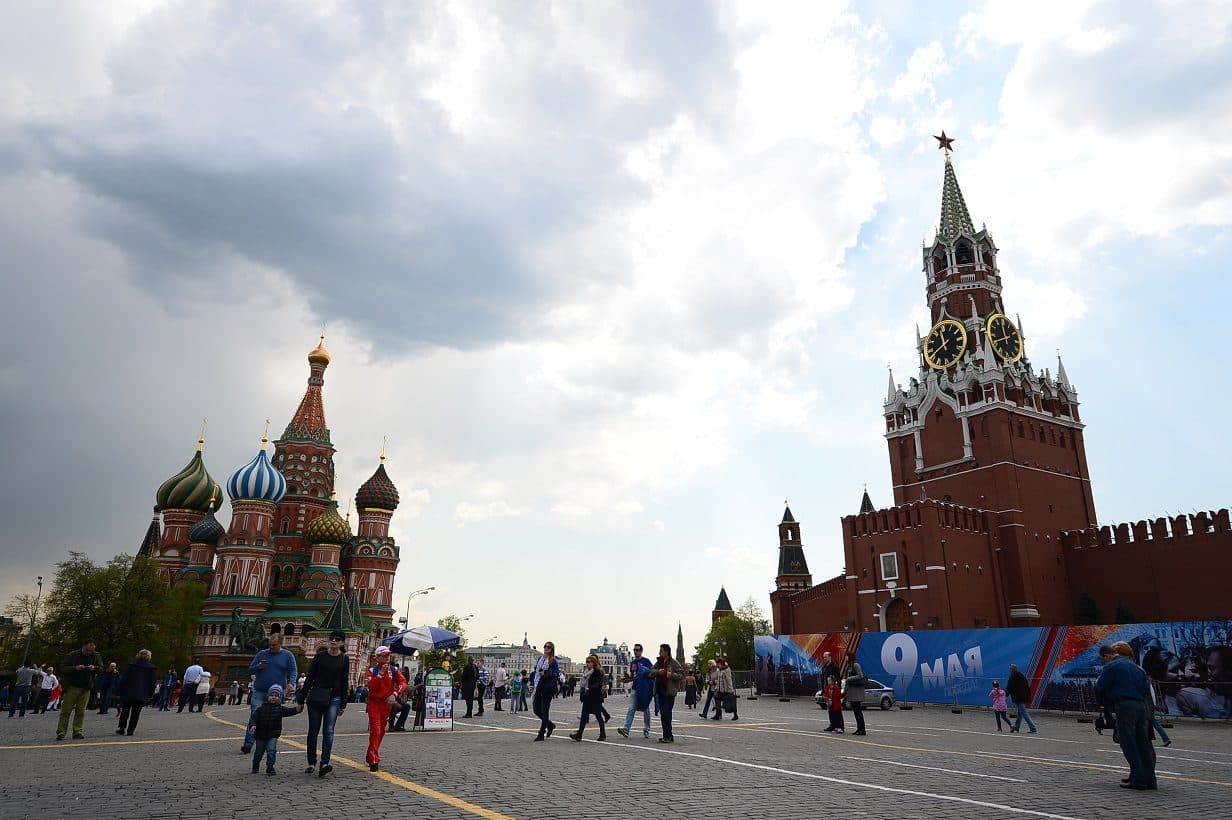
St. Basil’s Cathedral
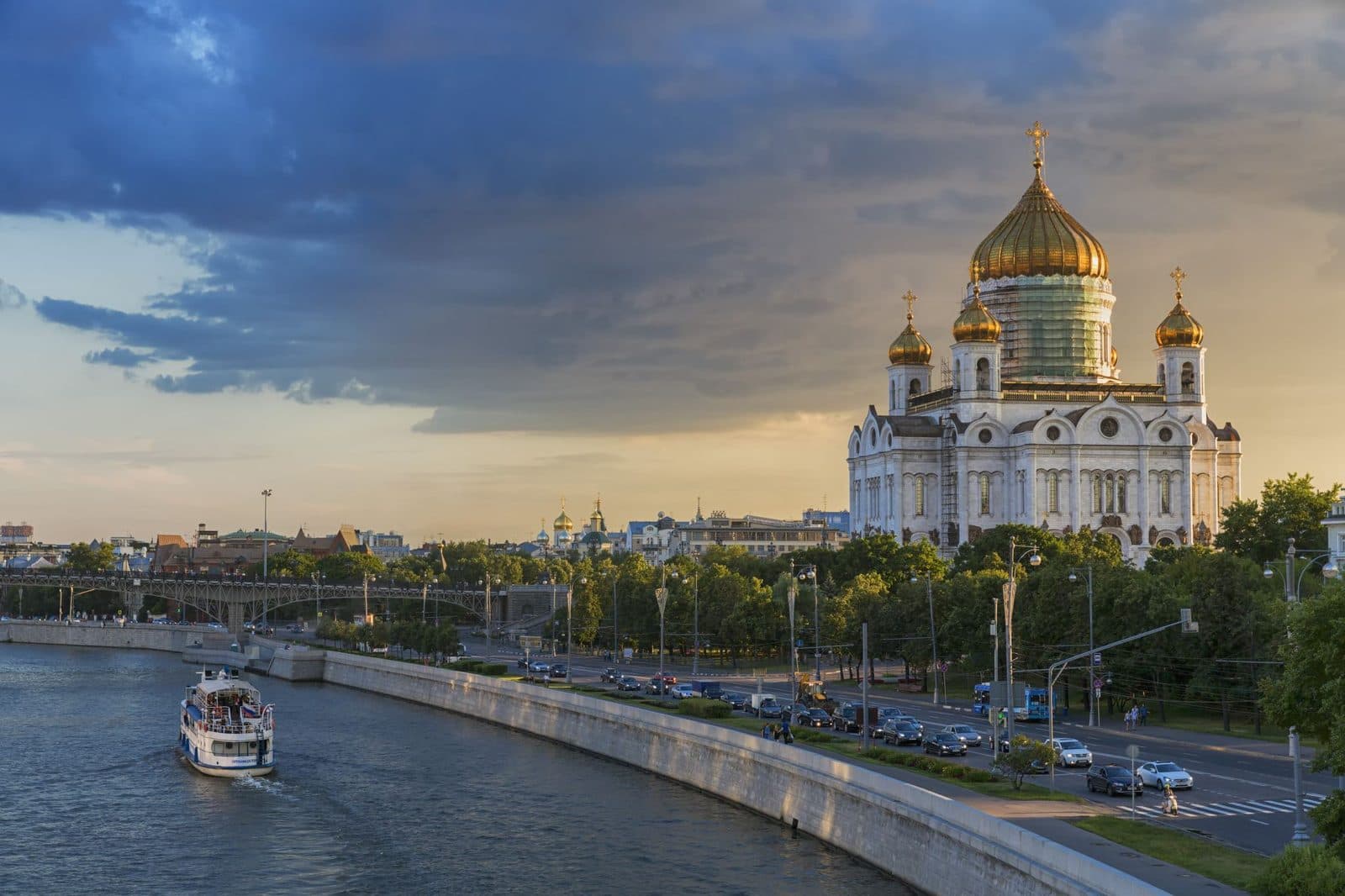
Cathedral of Christ the Saviour
•The Kremlin — Symbol of the Russian state
•St. Basil's Cathedral — A jewel of Russian cathedrals
•The Hermitage — One of the world's largest museums
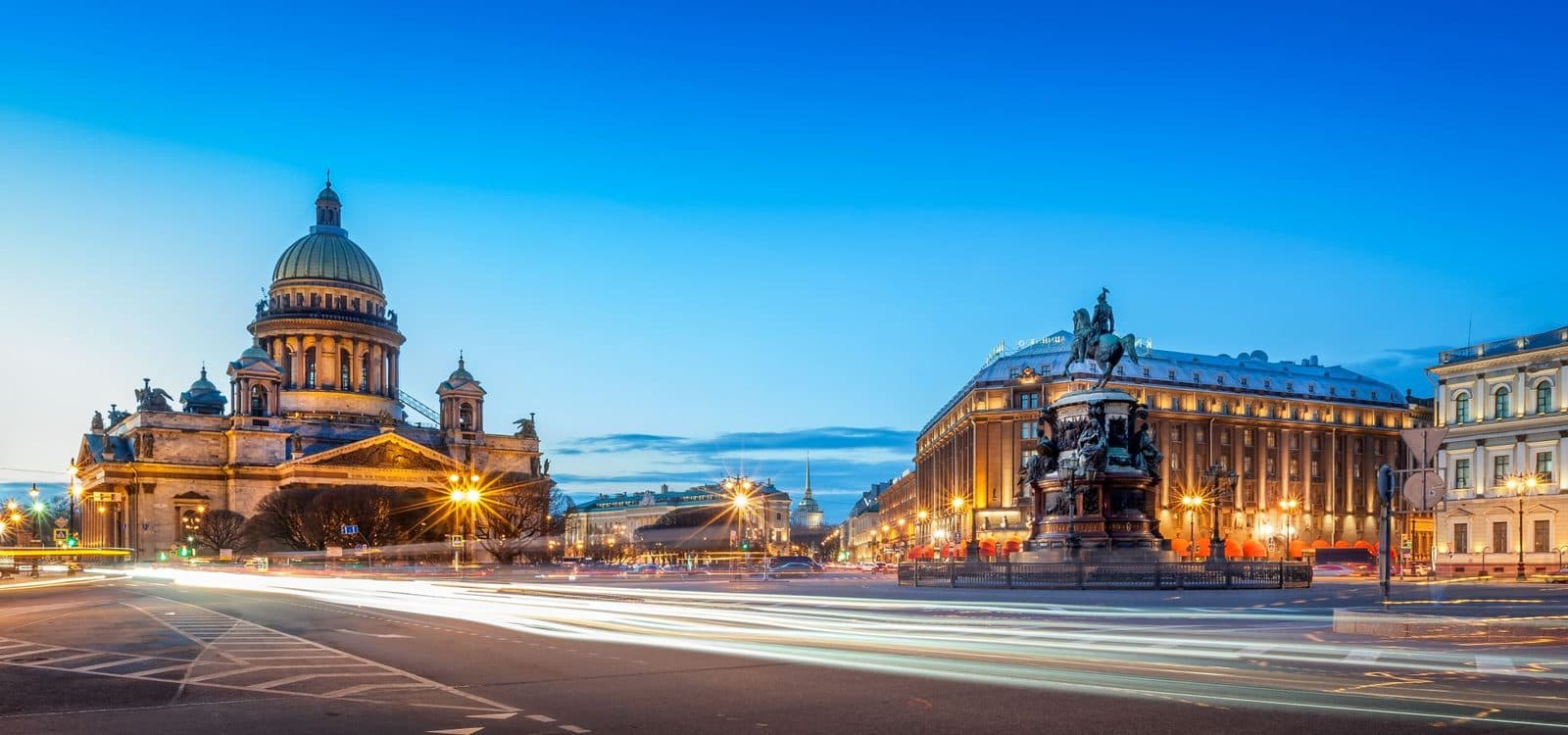
St. Isaac’s Cathedral (St. Petersburg)
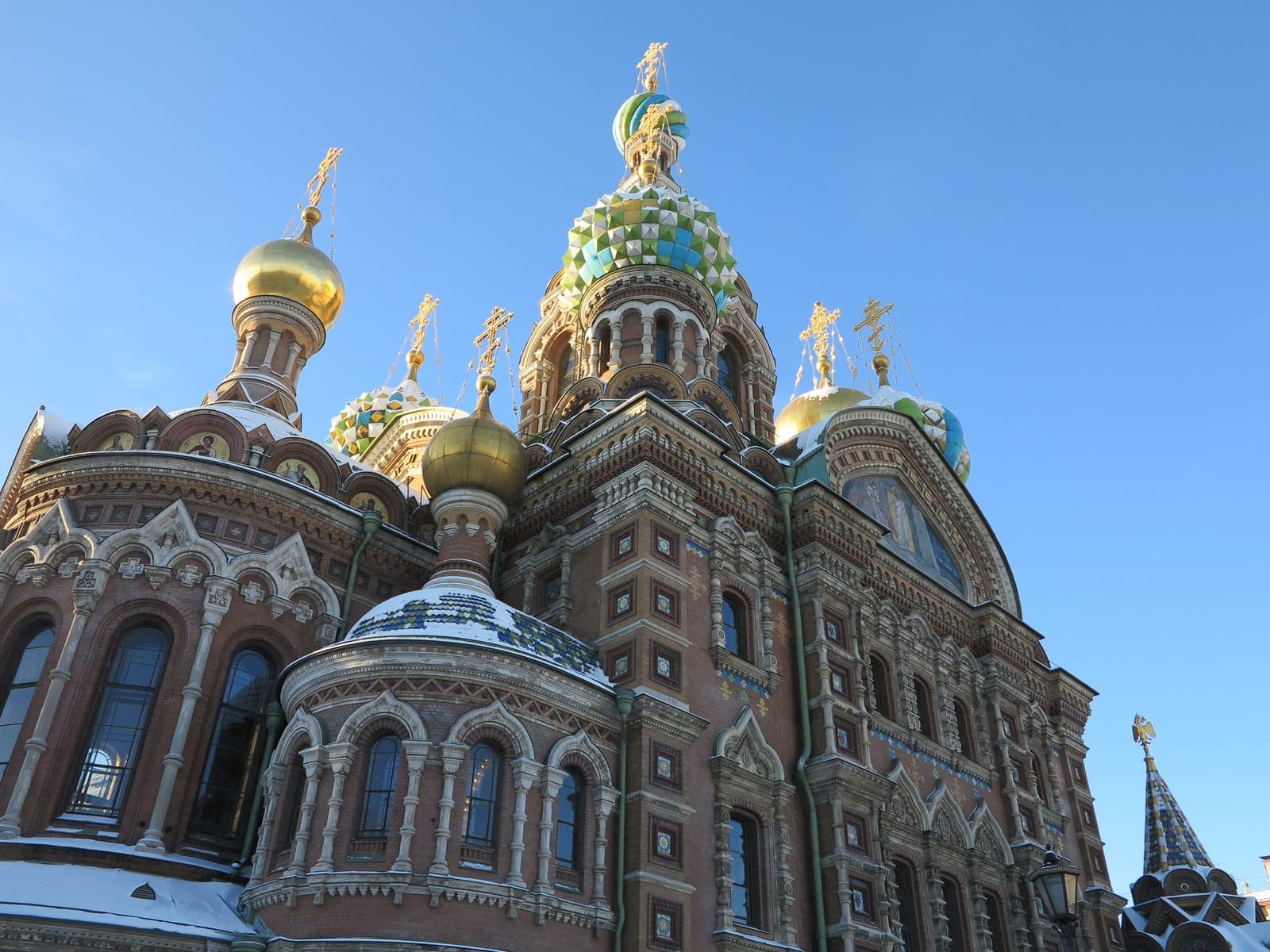
Church of the Savior on Spilled Blood
•Cathedral of Christ the Saviour — Moscow's patriarchal cathedral
•Trinity Lavra of St. Sergius — The heart of Russian spirituality
•St. Isaac's Cathedral — A masterpiece of Western architecture (St. Petersburg)
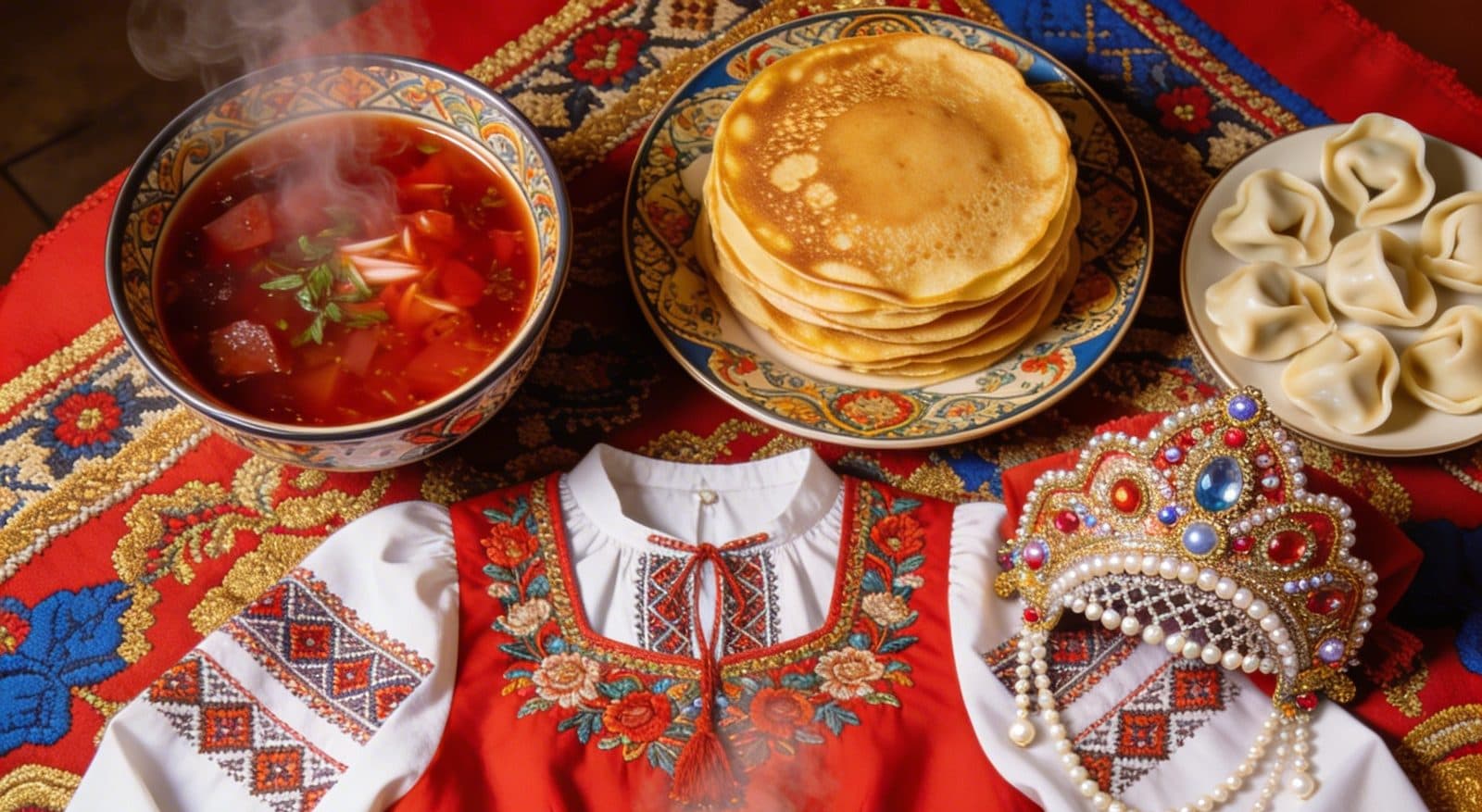
Traditional dishes: Borscht, Pelmeni, Blini
Folk costumes: Sarafan, Rubashka, Kokoshnik
Samovar and tea culture
A unique millennium-old unified Orthodox space. The Russian Orthodox Church has bound nations together, with countless monasteries and spiritual centers. After enduring Christian persecution during the Soviet era, a deep spiritual hunger remains amid the religious, economic, and social turmoil that followed. We pray that Russia may once again become a priestly nation.
After 70 years of state atheism, the peoples of the former Soviet Union carry a deep spiritual hunger. Young people are searching for truth and meaning beyond materialism.
CIS countries have highly educated populations with excellent universities. Students are eager to study the Bible deeply and seriously.
Local disciples have risen remarkably fast as shepherds and leaders. Many house churches have been established under local leadership.
CIS believers are being raised as missionaries to Central Asia, the Middle East, and other regions. The next wave of world mission is rising here.
- •A person who has accepted Jesus Christ as their personal Savior
- •A person who has received or is willing to receive discipleship training in UBF
- •A person willing to learn Russian or the local language
- •A person with a calling and passion for CIS mission
- •A person prepared for cross-cultural adaptation and long-term commitment
Your Calling Is in the CIS
“I will build my church, and the gates of Hades will not overcome it” — Matthew 16:18
This booth has not posted any content yet. Please check back soon.
Photos & Videos
Mission Inquiry · Express Interest
Have a question about CIS missions? Submit your question below.